Understanding Your Face
Why Has My Face Changed?
Your face tells the story of your daily life. Before you book, it helps to understand why faces change over time — and how a gentle, natural approach like Kogao may support you.
On This Page
A quick overview of what this page covers — tap any topic to jump straight to it.
Your Face Is Always Adapting
The way your face looks is never fixed. It shifts gradually in response to everyday habits, muscle tension, posture, stress, sleep, hormonal changes, pregnancy, and the natural process of aging. It is rarely about age alone.
Small things add up over the years — how you hold your jaw, which side you sleep on, how much water you retain, how tense your muscles become. Understanding these influences is the first step to feeling at home in your face again.
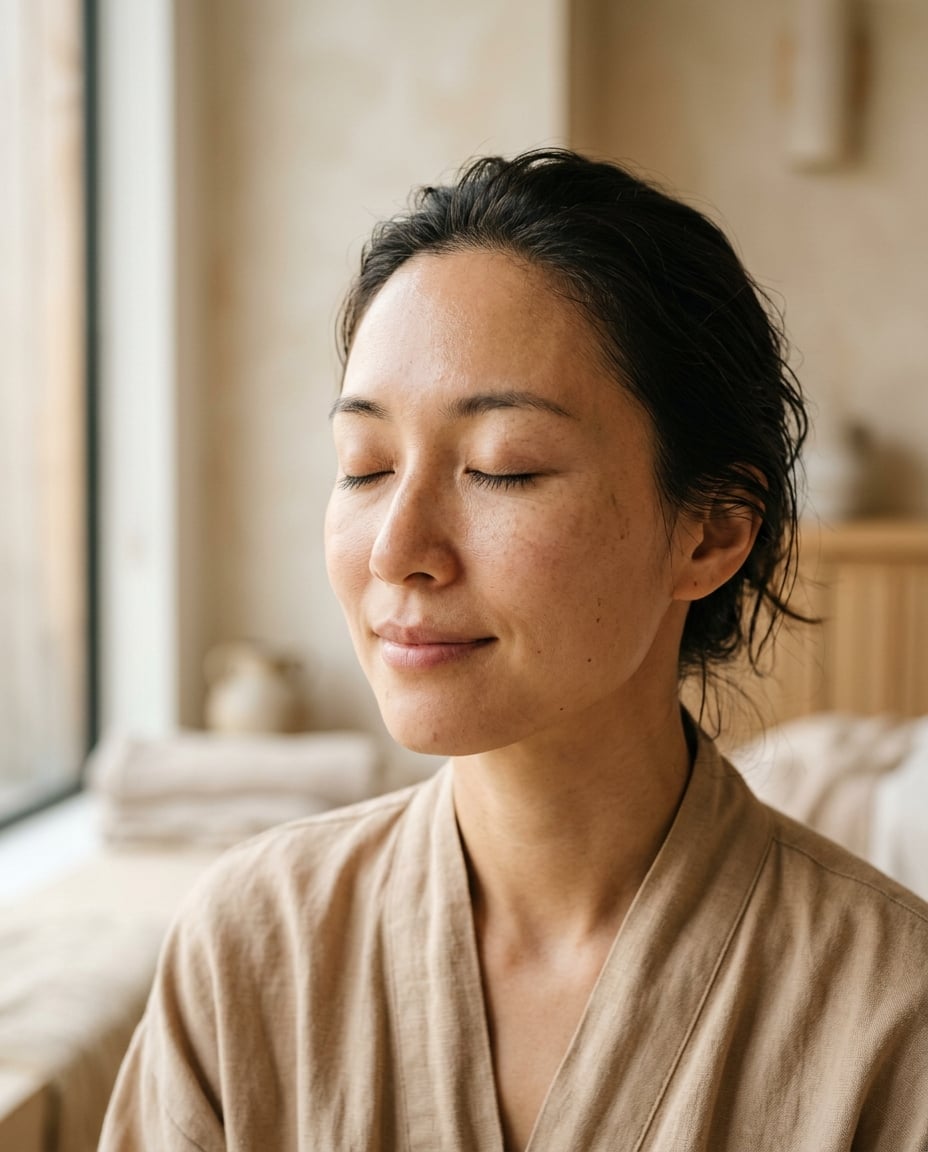
Common Signs You Might Notice
These are some of the most common changes and concerns clients mention. You may recognize one or several of them.
Jaw tension
Facial asymmetry
Puffy face
Wider-looking face
Heavy jawline
Double chin
Headaches from jaw tension
Facial fatigue
Why It Happens
Several everyday factors can contribute to how your face changes and where tension builds up.
Jump to a topic
Aging
Natural changes in skin, muscle tone, and fat distribution gradually reshape the face as the years pass.
Stress
Everyday stress often shows up as tightness in the scalp, jaw, and neck, subtly changing how your face looks and feels.
Poor Posture
Forward head posture and screen time can affect the neck and jawline, influencing facial balance over time.
Clenching & Grinding
Habitual jaw clenching or teeth grinding builds up the jaw muscles and creates ongoing tension around the face.
Side Sleeping
Consistently sleeping on one side can add pressure to one side of the face, contributing to asymmetry.
Fluid Retention
Sluggish lymphatic flow and water retention can leave the face looking puffy or heavier than usual.
Chewing Gum or Chewing on One Side
Frequent gum chewing or chewing on one side may contribute to jaw tension, muscle imbalance, and facial asymmetry over time.
Knee-Over-Knee
Crossing your legs while sitting on a chair can create postural imbalance that travels up the body, increasing tension in the neck and jaw and potentially affecting facial balance over time.
Pregnancy & Postpartum
Hormonal shifts and fluid changes during and after pregnancy can temporarily change facial fullness and definition.
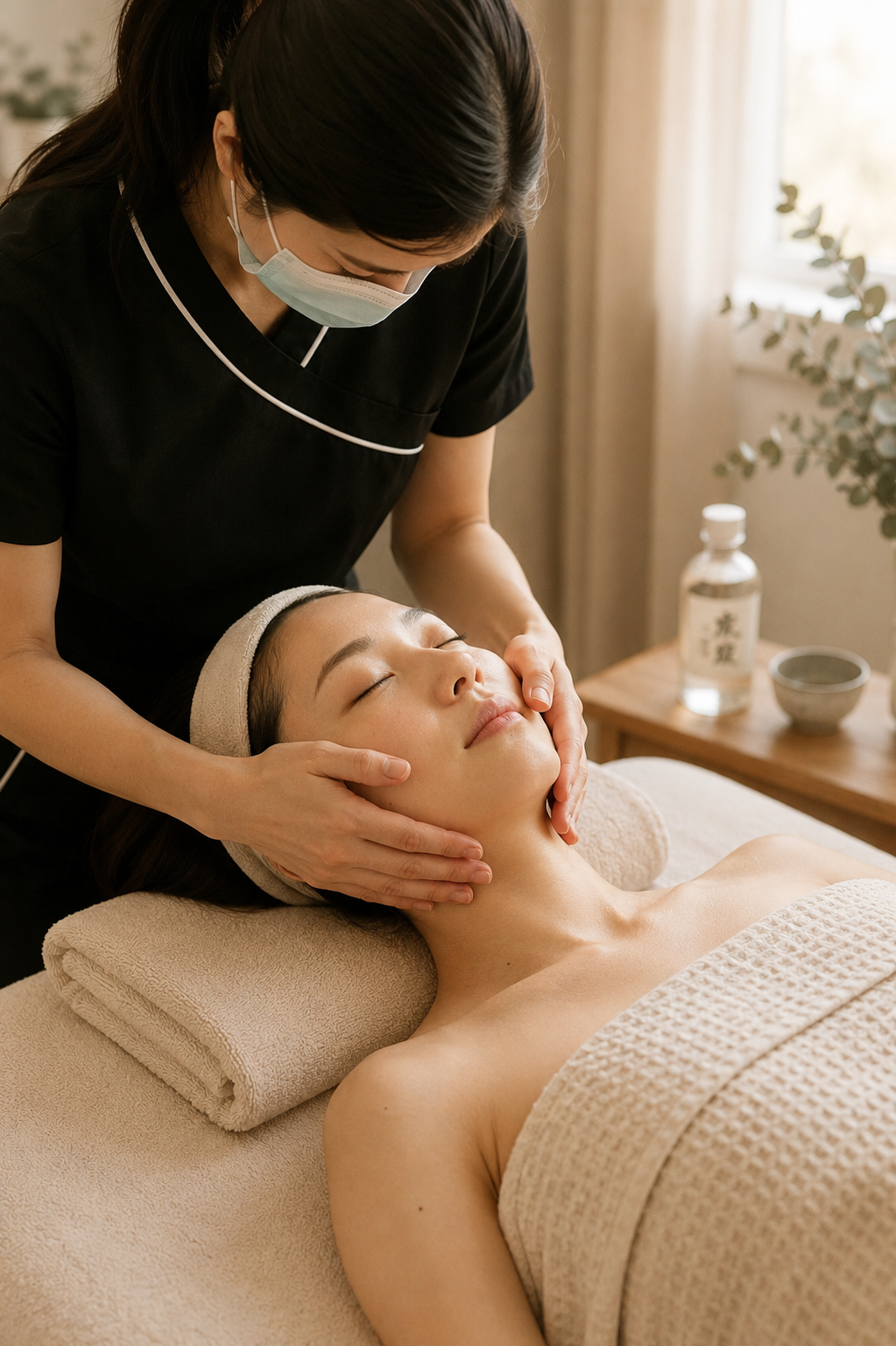
How Kogao May Help
Kogao is a non-invasive, hands-on facial treatment that addresses the tension and imbalances created by everyday habits, stress, and muscle patterns. By supporting relaxation, circulation, and facial mobility, it helps enhance your natural features and encourage a more balanced, refreshed appearance.
The aim is facial balance and supporting your natural definition — helping you look and feel more like yourself. It is a relaxing, restorative experience focused on supporting your body's natural balance.
What Kogao focuses on
- Natural Definition
- Jaw & Facial Comfort
- Facial Balance
- Confidence & Well-Being
小顔
Is Kogao Right for You?
If any of this feels familiar, exploring our treatments is a gentle next step. See what each session involves and find the one that suits you.